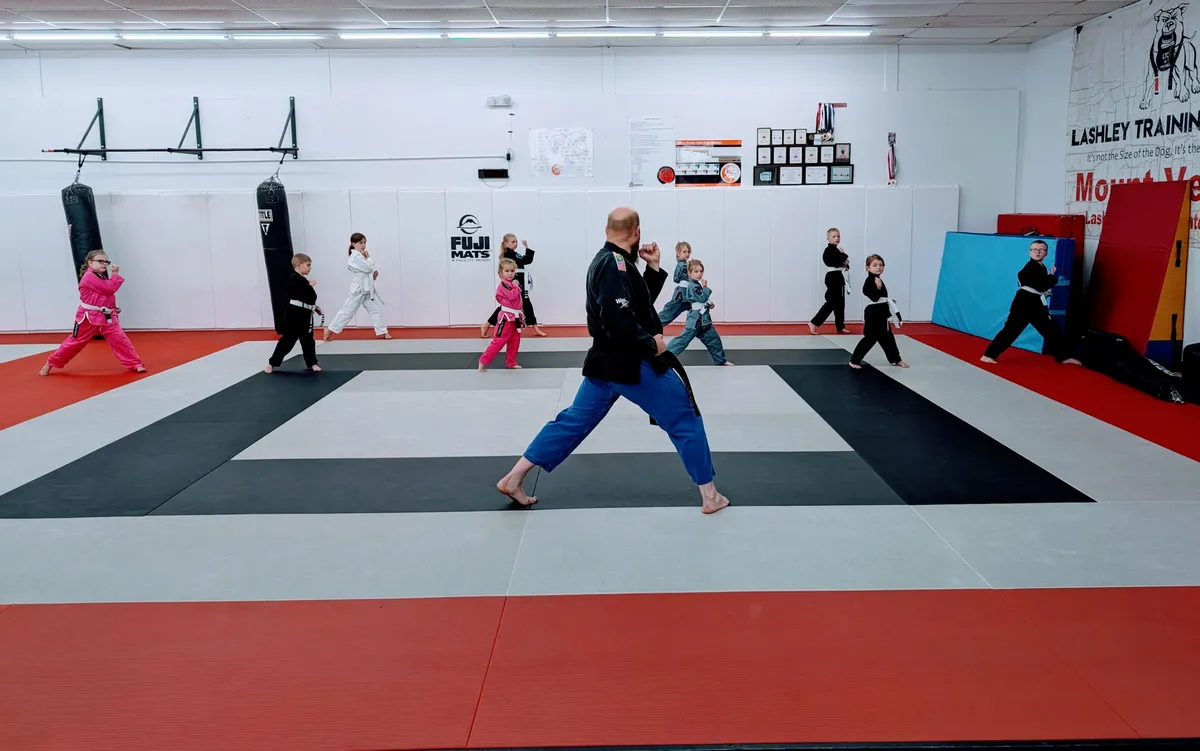
Bullying is a widespread issue that affects millions of children and teenagers across the globe. It can lead to emotional, psychological, and sometimes physical harm, leaving long-lasting scars on those who endure it. In recent years, parents, educators, and communities have sought effective ways to address this problem, and one powerful solution has emerged: martial arts.
Martial arts, which include disciplines like Brazilian Jiu-Jitsu (BJJ), Karate, Taekwondo, and Krav Maga, are not just about learning self-defense techniques. These disciplines instill core values such as respect, discipline, confidence, and empathy. When taught in a supportive and structured environment, martial arts can be a transformative tool in preventing and stopping bullying, benefiting both the victim and the potential bully. Here’s how.
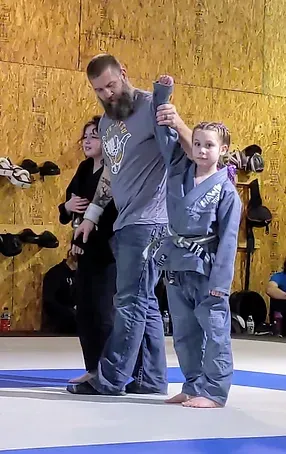
1. Building Confidence and Self-Esteem
Children who are bullied often struggle with low self-esteem, feeling powerless and unsure of how to defend themselves. Martial arts training empowers students by building their confidence in a safe and supportive setting. As they progress through their training, learning new skills and techniques, they experience a sense of achievement. This newfound confidence can make them less likely to be targeted by bullies. Bullies often prey on individuals who appear weak or insecure; a child who walks tall and exudes confidence is less likely to become a victim.
In addition to physical confidence, martial arts also teach mental toughness. Children learn how to manage their emotions, stay calm under pressure, and not react impulsively—skills that are valuable in de-escalating situations where bullying might occur.
2. Teaching Respect and Empathy
Martial arts emphasize respect for others, whether it’s for peers, instructors, or opponents. From the first day in a martial arts dojo, students learn the importance of treating others with dignity and respect, regardless of differences in age, size, or ability. These values are deeply embedded in the practice and are reinforced through the instructor’s teachings.
For potential bullies, martial arts can be a turning point. Some children bully others because they lack emotional control or are seeking to assert dominance. Through martial arts, they learn that true strength isn’t about overpowering others but about having control over oneself. Developing empathy toward others, understanding the value of teamwork, and recognizing the harm caused by bullying can lead to a shift in their behavior.
3. Non-Violent Conflict Resolution
Contrary to the misconception that martial arts encourage violence, the reality is that these disciplines emphasize non-violence and peaceful conflict resolution. Students are taught that fighting is a last resort and that it’s more important to avoid or de-escalate conflicts than to engage in physical altercations.
Many martial arts instructors teach students how to defuse situations through verbal assertiveness and body language. For example, students learn how to calmly but firmly tell a bully to stop without provoking further aggression. Martial arts equip children with the tools to handle confrontations with confidence and poise, avoiding the need for physical retaliation.
4. Developing Self-Discipline
A key component of martial arts is self-discipline. Through consistent practice, students learn to control their impulses, focus their energy, and set long-term goals. This discipline extends beyond the dojo and into everyday life, helping children become more responsible and self-aware.
For bullies, martial arts can teach the importance of controlling their aggression and finding healthy outlets for their energy. For those who struggle with emotional regulation, the structured environment of martial arts provides an avenue to channel their frustrations in a productive way, reducing the likelihood that they will lash out at others.
5. Creating a Supportive Community
One of the most underrated aspects of martial arts is the strong sense of community it fosters. Martial arts schools are more than just places to train; they are communities where students encourage and support one another. This camaraderie can be especially important for children who feel isolated or excluded by their peers.
When children feel accepted and part of a group, their self-worth increases, making them less susceptible to the effects of bullying. For those who have been bullied, being part of a martial arts team provides a safe space to rebuild their confidence and develop new friendships. It’s a place where everyone is equal, and respect is earned through hard work, not physical dominance.
Conclusion: Empowerment Through Martial Arts
Martial arts offer a holistic approach to stopping bullying by addressing both sides of the problem: the victims and the bullies. By promoting confidence, respect, empathy, and discipline, martial arts can help victims of bullying stand up for themselves, and it can also provide bullies with the tools they need to change their behavior.
At Lashley Training Center, we have witnessed firsthand the incredible transformations martial arts can bring to children’s lives. Our programs not only teach practical self-defense but also focus on building character and fostering a community of respect. Whether your child is dealing with bullying or you want to give them the tools to face life’s challenges with confidence, martial arts can be a powerful and positive force in their lives.
If you believe it, you can achieve it. And together, we can help stop bullying, one empowered child at a time.