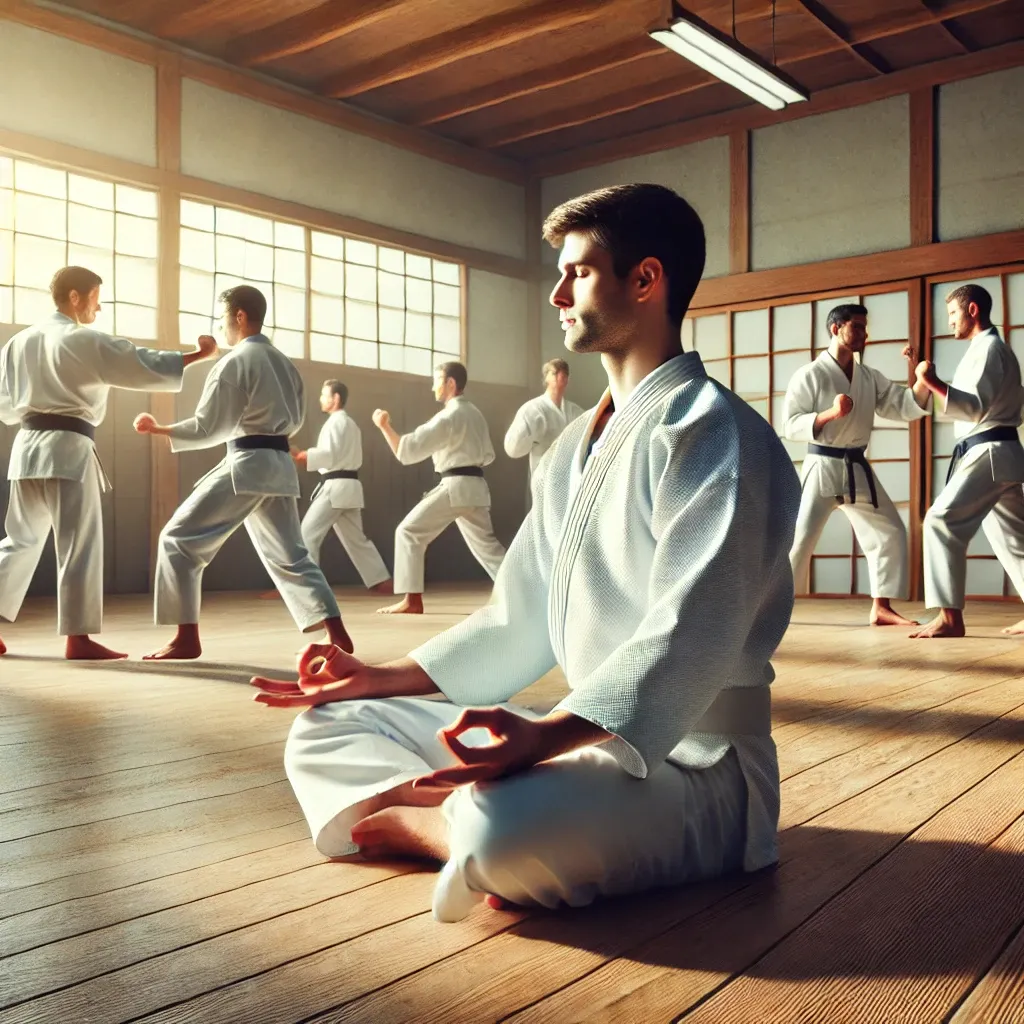
The Mental Benefits of Martial Arts: Strength Beyond the Physical
In recent years, martial arts have gained popularity as a powerful means of physical fitness and self-defense. Yet, the mental and emotional benefits of martial arts are equally profound, empowering practitioners not just in the gym or dojo, but in every aspect of their lives. Here are some of the most impactful mental benefits that martial arts can bring.
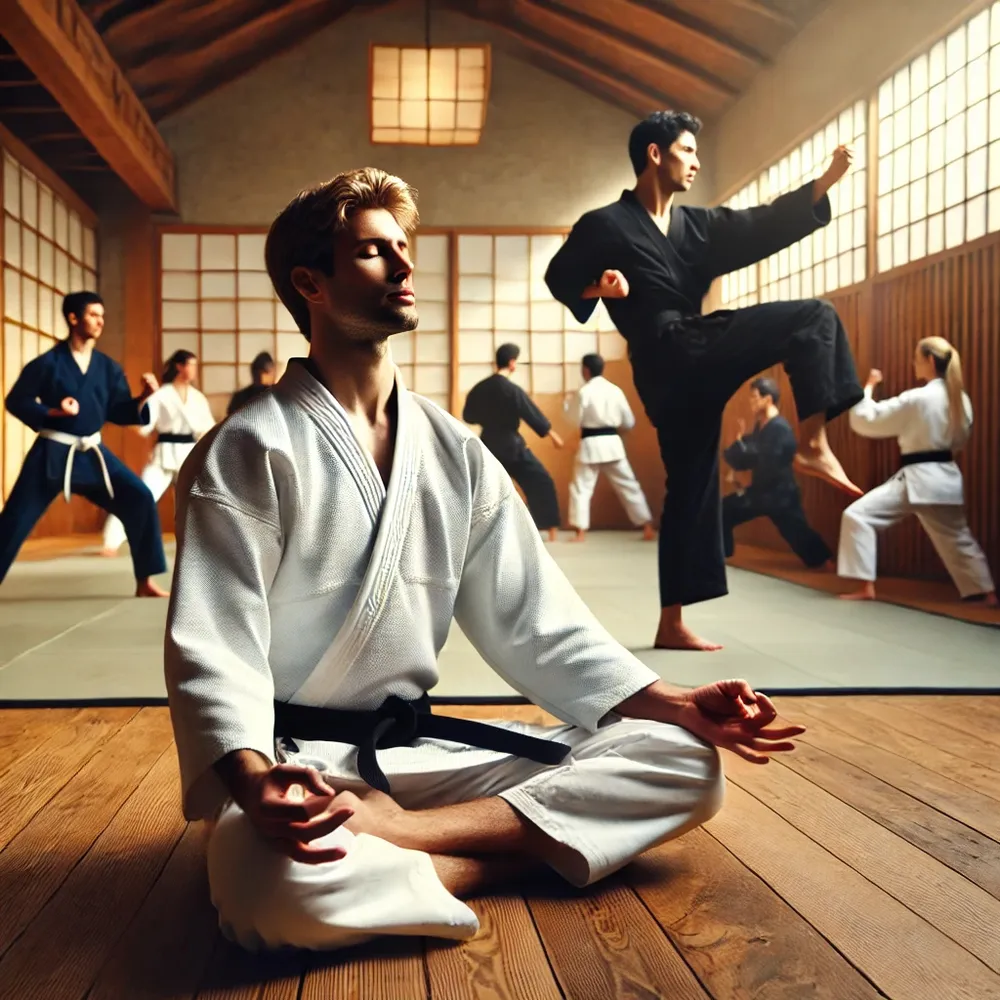
1. Enhanced Focus and Discipline
Martial arts demand sustained focus and commitment. Whether mastering a complex Jiu Jitsu move or refining a Krav Maga defense technique, every step requires complete mental presence. This emphasis on focus teaches practitioners how to stay engaged and disciplined, even in challenging situations. Over time, this can translate into improved concentration in other areas, from work tasks to personal goals.
2. Stress Relief and Emotional Resilience
Training sessions serve as an outlet for stress relief, helping practitioners release the day’s frustrations in a productive way. Engaging in physical activity boosts endorphin levels, naturally alleviating stress and promoting an overall sense of well-being. Martial arts also help build emotional resilience; by pushing through mental and physical challenges, practitioners learn how to face adversity calmly and confidently, both on and off the mats.
3. Boost in Self-Confidence
As martial artists master new skills and techniques, they see tangible progress in their abilities, fostering a strong sense of achievement. This ongoing improvement builds self-confidence, empowering individuals to step out of their comfort zones and trust in their ability to overcome challenges. For many, this newfound self-confidence extends beyond the dojo, positively impacting their personal and professional lives.
4. Improved Self-Control and Anger Management
Martial arts is as much about controlling the mind as it is about controlling the body. Learning to stay calm, even in intense situations, helps practitioners develop patience and emotional control. Martial arts teach that strength doesn’t always mean aggression, and that control is just as important as power. This mindset promotes better anger management, as practitioners learn to channel strong emotions constructively.
5. Better Problem-Solving Skills
Every martial arts technique is like a puzzle. Whether in a sparring match or during training, martial artists are continuously assessing situations, evaluating options, and making quick, strategic decisions. These problem-solving skills help practitioners develop mental agility and resilience, making it easier to handle complex situations in life with a calm, solution-oriented approach.
6. Sense of Community and Belonging
Martial arts training fosters camaraderie and mutual respect. The bond that forms within the dojo, based on shared goals and mutual support, provides a unique sense of community. This network of like-minded individuals can offer emotional support, encouragement, and even lifelong friendships, creating a sense of belonging that is invaluable for mental health.
7. Mindfulness and Mental Clarity
Martial arts require practitioners to be fully present in the moment. This focus on mindfulness helps clear the mind, blocking out distractions and unnecessary stressors. By centering themselves through breathing techniques, visualization, and concentration, martial artists cultivate a state of mental clarity that brings balance to their daily lives.
8. Increased Emotional Intelligence
Martial arts encourage self-awareness, an essential component of emotional intelligence. Practitioners learn to recognize their emotions and understand their triggers, allowing them to respond to situations thoughtfully rather than reactively. This heightened emotional awareness benefits not only personal relationships but also the ability to work effectively in a team or community setting.
Conclusion: Martial Arts as a Pathway to Mental Well-Being
Martial arts provide an environment where physical strength, mental resilience, and emotional well-being come together. It’s more than just learning how to punch or defend oneself; it’s about developing mental discipline, self-confidence, and a calm, focused mind. For anyone seeking a holistic approach to personal growth, martial arts offer a unique and empowering pathway to mental health and fulfillment.