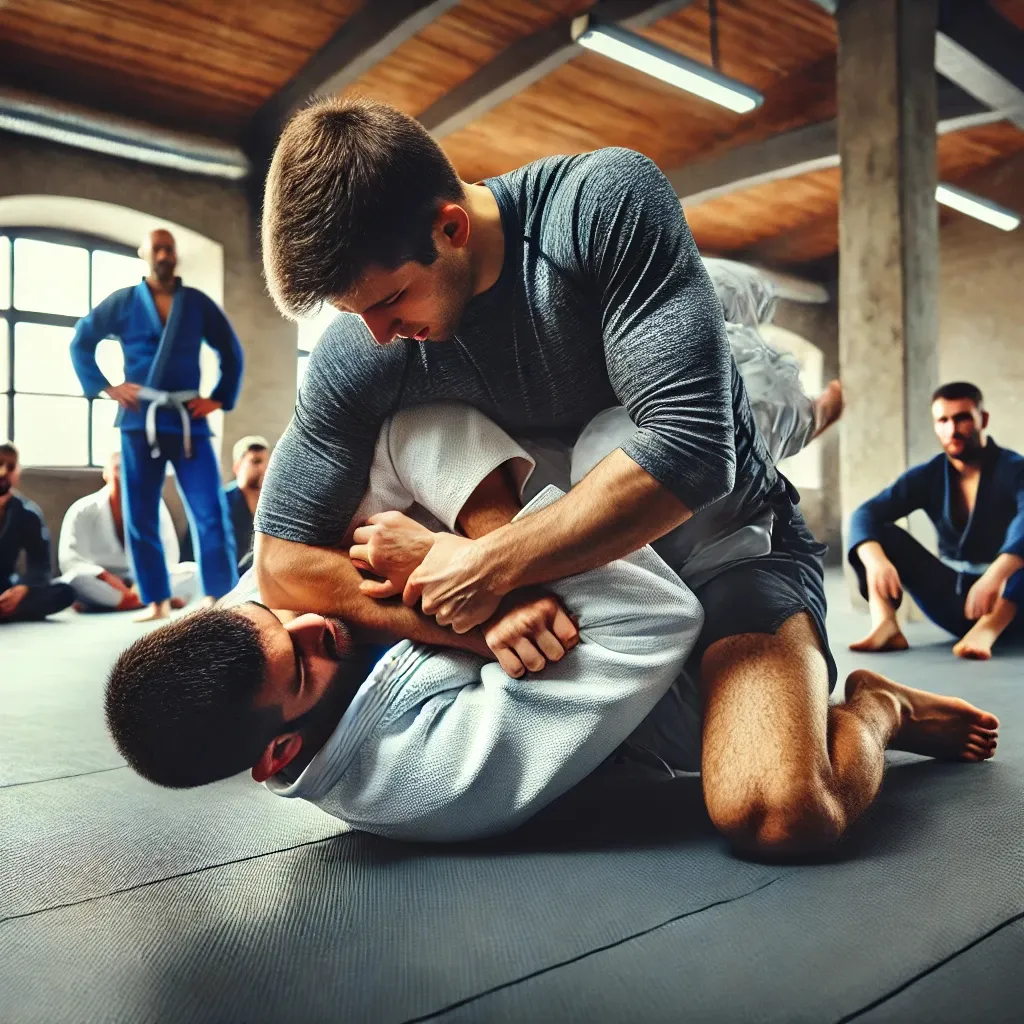
Why Brazilian Jiu-Jitsu is an Effective Self-Defense Tool
When most people think of self-defense, they imagine strikes, weapons, and defensive maneuvers designed to get them out of dangerous situations quickly. While these skills are important, there’s one martial art that offers a deeper level of defense that everyone should consider: Brazilian Jiu-Jitsu (BJJ).
BJJ focuses on leverage, timing, and technique, enabling practitioners to defend themselves against larger and stronger attackers. It is often regarded as one of the most effective martial arts for real-life self-defense situations, particularly when it comes to grappling and ground defense.
1. The Power of Leverage
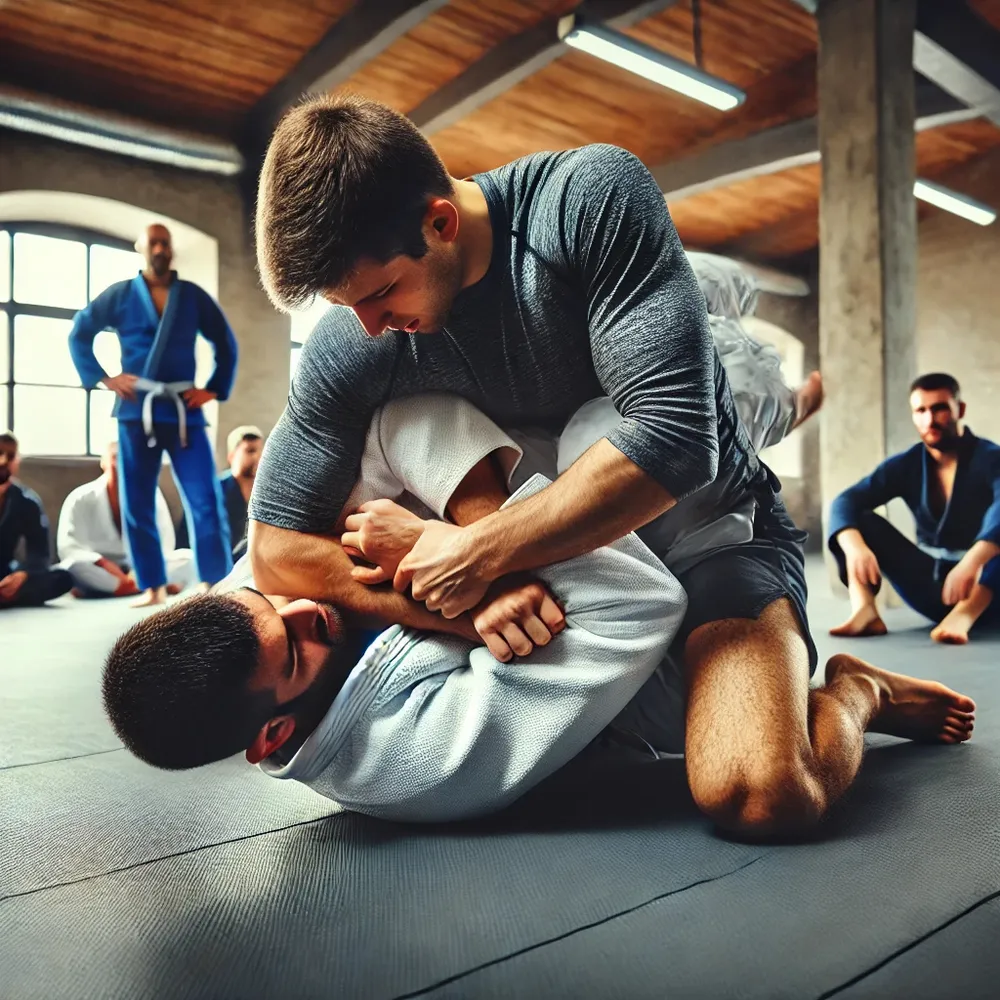
One of the cornerstones of BJJ is the concept of leverage. Rather than relying on brute strength, BJJ teaches practitioners how to use angles, body positioning, and leverage to control or submit an opponent. For example, a smaller person can use BJJ techniques to control and neutralize a larger, stronger opponent on the ground.
In a self-defense situation, you might find yourself in a position where you’re unable to strike your attacker effectively. This is where BJJ shines, as it allows you to use their size and strength against them. By applying joint locks, chokes, and positional control, you can protect yourself and escape a dangerous situation, even when your attacker is much bigger.
2. Ground Defense and Control
Most street fights end up on the ground, making BJJ an essential skill for self-defense. While many self-defense systems focus on striking, BJJ emphasizes how to protect yourself and maintain control when the fight inevitably goes to the ground. In situations like being taken down or being held on the ground, BJJ equips you with the tools to defend yourself.
Techniques like escapes from side control, mount, and back control are vital in situations where you find yourself pinned or unable to move. Knowing how to get up or reverse a position in a fight can turn the tables in your favor, helping you regain control.
3. Stress Testing in Sparring
One of the unique aspects of BJJ is live sparring, also known as rolling. Unlike many martial arts that focus solely on drills and forms, BJJ allows practitioners to spar with resisting opponents. This means that students are exposed to real, live scenarios in a controlled environment. Rolling helps develop timing, reflexes, and the ability to think under pressure—skills that are invaluable in a self-defense situation.
Sparring also simulates the unpredictability of a real-life confrontation, teaching you how to react and adapt to an opponent’s movements. The more you train under pressure, the better prepared you’ll be when faced with a real threat.
4. Confidence and Awareness
Self-defense is as much about mental preparedness as it is about physical technique. Brazilian Jiu-Jitsu builds confidence, discipline, and a sense of calm that can help you in any confrontation. When you’re comfortable with your skills, you’re less likely to panic if a dangerous situation arises.
BJJ also fosters a heightened sense of awareness. In class, you learn to anticipate your opponent’s moves and stay one step ahead. This translates directly to real-world situations, where situational awareness can prevent dangerous encounters or help you avoid escalations. Having the confidence to recognize when a situation might turn violent allows you to act appropriately and avoid confrontation when possible.
5. Real-Life Scenarios and Self-Defense Techniques
BJJ isn’t just about sport or competition; it’s about survival. Many self-defense techniques taught in BJJ classes are directly applicable to real-world situations. For instance, BJJ teaches how to escape from various holds, such as a bear hug, side headlocks, or even being grabbed from behind. These scenarios are common in street altercations, and the ability to break free or neutralize the threat is invaluable.
Chokes, joint locks, and sweeps are not just flashy techniques—they are practical tools to end a confrontation safely. When faced with an attacker, applying a well-executed submission can incapacitate them long enough for you to escape or get help.
6. The Importance of Consistency and Discipline
Self-defense isn’t something you can learn overnight, and it certainly isn’t a one-time fix. To be effective, self-defense requires consistency and discipline. Training in Brazilian Jiu-Jitsu involves regular practice and continuous learning. You’ll have to push yourself to become better and learn how to apply techniques in different situations. The more you train, the more instinctive your reactions will be when faced with a threat.
Conclusion: Why BJJ Should Be Part of Your Self-Defense Plan
Brazilian Jiu-Jitsu offers a well-rounded and effective approach to self-defense. Its focus on leverage, ground defense, and real-world application makes it a must-have skill for anyone interested in protecting themselves. Whether you’re a beginner or an experienced martial artist, BJJ teaches you to stay calm, think critically, and react appropriately when it counts most.
So, if you’re serious about learning self-defense, consider adding Brazilian Jiu-Jitsu to your training routine. You’ll not only gain the skills to protect yourself but also the confidence to face any challenge that comes your way.